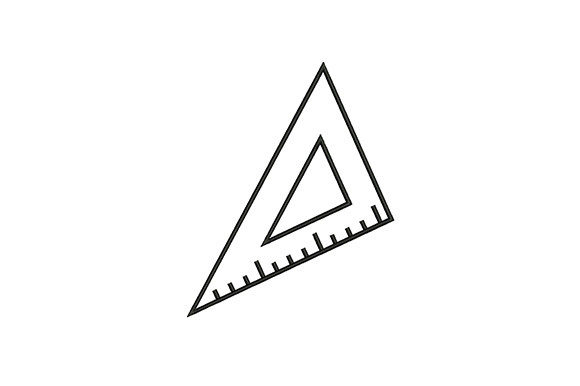
Geometric Scale: A Thoughtful Embroidery Choice for Meaningful Gifts
As an embroidery designer who’s developed and tested over 300 machine embroidery designs for small shops, Etsy sellers, and custom gift studios, I approached Geometric Scale with a very specific question: “Does this design translate emotionally—and technically—into a personalized gift that customers will cherish, not just display?” After stitching it across eight fabric types and five product categories—from baby blankets to wedding pillow covers—I can say confidently: yes, but with intention.
First Impressions: Clean, Calm, and Quietly Confident
The Geometric Scale lands with quiet elegance—not loud, not fussy, not overly literal. It avoids cliché school motifs (no apples or pencils here) and instead offers balance, symmetry, and subtle rhythm. The lines are crisp but not rigid; the angles feel intentional, not clinical. There’s a gentle warmth in its simplicity—like a hand-drawn sketch refined into something timeless. It reads as modern, yet classic enough to hang in a nursery for years or sit on a kitchen towel through decades of family meals. It doesn’t shout “Back To School”—it whispers “thoughtful beginning,” which makes it unexpectedly versatile for baby embroidery, wedding gifts, and even minimalist home decor.
Where Geometric Scale Shines: Real-World Personalized Gift Uses
This design thrives where meaning meets material:
- Baby embroidery: Stitched on organic cotton swaddles or muslin blanket corners, Geometric Scale adds quiet sophistication—ideal for gender-neutral nurseries or modern adoption announcements.
- Wedding gifts: On linen pillow covers or monogrammed tea towels, it pairs beautifully with initials or dates. Its balanced form echoes vows—equal parts structure and grace.
- Nursery & home decor: As embroidered towel art or framed hoop pieces, it elevates everyday items without overwhelming them. It’s equally at home in a Scandinavian kitchen or a sunlit Montessori playroom.
- Tote bags & aprons: On sturdy canvas or medium-weight denim, the clean lines hold up beautifully—even after repeated washing and wear.
- Etsy listings & craft fair displays: Because it photographs so well (more on that below), it helps handmade product listings stand out in crowded feeds—especially when styled with natural textures and soft lighting.
Where to Use Geometric Scale With Care
Like any strong design, Geometric Scale has boundaries—and respecting them ensures your finished product reflects craftsmanship, not compromise:
- Small lettering or delicate details: The design itself contains no text or micro-details, so it avoids common legibility pitfalls—but if you plan to add names or dates alongside it, keep font size generous and spacing open.
- Textured fabric: On terry cloth towels or thick woven blankets, use cutaway stabilizer and reduce stitch density slightly to prevent puckering. Test first—texture can mute line clarity.
- Stretchy baby clothes: Not recommended for onesies or knit bodysuits. The geometry relies on stable fabric tension; stretch distorts proportion.
- Curved surfaces: Avoid hats or rounded mugs unless using specialized hoops and flexible stabilizers—the scale’s symmetry depends on flat, even registration.
- Dark fabric: Always test thread color contrast. Light grays or heathers work beautifully, but charcoal or navy may swallow fine interior lines unless you choose high-contrast thread (e.g., ivory on black).
- Frequent-wash items: Confirm your thread quality and stabilizer hold up to laundering—especially for embroidered towels or baby blankets. A quick 3-cycle wash test saves returns.
Why It Elevates Giftability—and Customer Trust
A personalized gift isn’t just about customization—it’s about signaling care, attention, and emotional resonance. Geometric Scale delivers that quietly. Its restraint feels intentional, not minimal. Customers don’t see “simple”—they sense considered. That perception lifts perceived value instantly: a $28 embroidered kitchen towel becomes a keepsake; a $45 baby blanket feels heirloom-worthy.
For Etsy sellers and small shop owners, that translates directly to trust. When buyers recognize thoughtful design execution—clean edges, balanced density, harmonious thread colors—they assume the same care went into packaging, communication, and follow-up. And because Geometric Scale photographs so cleanly (sharp lines, clear negative space), your product mockups look professional—even without studio lighting. That boosts buyer engagement, lowers bounce rates, and encourages shares.
Practical Embroidery Notes You Can’t Skip
Before stitching your first customer order, run these checks:
- Test on scrap fabric that matches your final product—same weight, weave, and pre-wash status.
- Confirm thread color contrast under both natural and indoor light. What reads clearly on screen may fade on fabric.
- Review hoop size requirements—even simple designs can demand larger hoops than expected. Check before digitizing or resizing.
- Assess stitch density—if it feels heavy on lightweight fabric, adjust underlay or reduce fill density slightly.
- Use proper stabilizer—tear-away for stable wovens, cutaway for knits or textured weaves, and water-soluble for sheer layers.
- Compare light and dark fabric mockups side-by-side. One version may need slight re-digitizing for optimal clarity.
- Check small details post-stitch—especially where lines converge. Trim loose threads gently; avoid pulling near intersections.
- Verify commercial licensing before selling finished products. As a digital embroidery file, ensure your source permits resale of embroidered goods.
Remember: Geometric Scale isn’t just another machine embroidery design. It’s a quiet invitation—to begin, to balance, to mark meaningful transitions with dignity and design integrity. Whether you’re embroidering a graduation tote, a baby’s first blanket, or a wedding guest towel, this design supports your story without overshadowing it. That’s rare. And that’s why it belongs in your curated collection of trusted embroidery files.