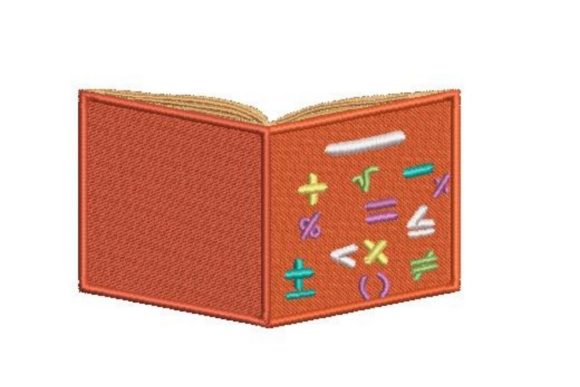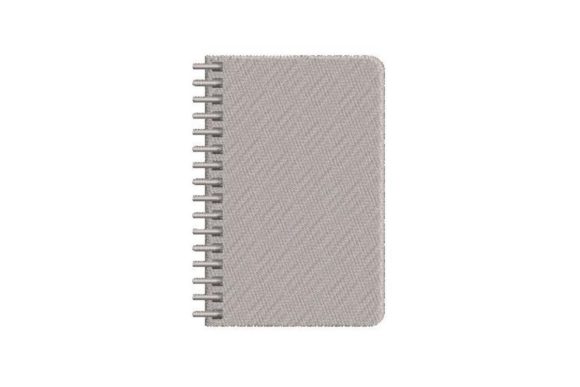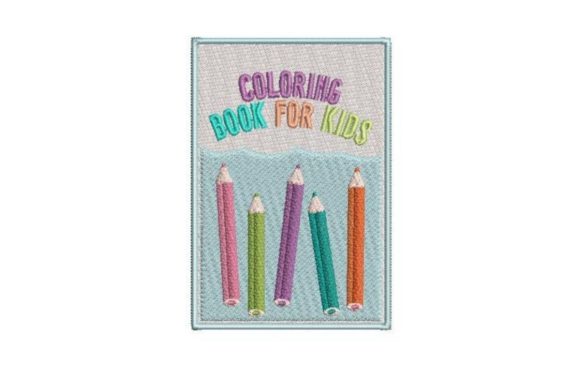
Coloring Book Cover Embroidery Design
Why This Design Fits Real Small-Business Needs
As an embroidery seller who’s launched over 200 Etsy listings—and shipped thousands of embroidered tote bags, baby blankets, and personalized gifts—I approach every Creative Fabrica embroidery download with two questions: “Will this look great on fabric?” and “Will my customers instantly *get* it?” Coloring Book Cover passes both tests. Its title and description signal clear intent: a cheerful, kid-friendly motif that leans into playful simplicity—not fussy detail or trendy minimalism. That’s valuable. In the Back To School category, buyers aren’t searching for avant-garde art; they want warmth, recognizability, and emotional resonance. Coloring Book Cover delivers that without requiring advanced digitizing skills or heavy stabilizer.
A Visual Personality That Sells
This isn’t a rustic linen label or a sleek monogram—it’s a lighthearted, modern-playful design. Think rounded letterforms, open spacing, and implied sketchbook charm. It reads as handmade but polished, friendly but not childish. That balance makes it unusually flexible: it works on organic cotton kitchen towels (for teacher appreciation bundles), soft fleece baby blankets (as a gentle focal point), and unisex sweatshirts (paired with a small pencil icon or crayon motif). It feels giftable because it’s inherently nostalgic—evoking summer learning, classroom creativity, and parent-child connection—without leaning into seasonal clichés like apples or backpacks.
Where Coloring Book Cover Shines in Your Product Line
- Etsy listings: Pair it with “personalized coloring book cover” or “embroidered kids’ activity tote” for strong keyword alignment. Its clarity means your thumbnail stands out even at small sizes—critical for mobile shoppers scrolling fast.
- Craft fair items: Stitch it onto natural canvas patches or twill aprons. The design’s openness leaves room for hand-lettered names or birth years—making each piece feel custom without extra digitizing.
- Boutique merchandise: Use it on limited-run embroidered pillow covers for nurseries or playrooms. Its gentle scale avoids overwhelming delicate fabrics while still reading clearly from across a room.
- Small batch apparel: It’s ideal for lightweight sweatshirts and structured caps—where dense fills would cause puckering. The “easy project” note in the description suggests moderate stitch density, which is good news for consistent production.
- Printable mockups & social previews: Because it’s clean and centered, Coloring Book Cover translates beautifully to digital mockups—no cropping guesswork, no awkward negative space. That saves time when building Instagram carousels or Etsy listing banners.
What This Means for Your Craft Business
For Etsy sellers and handmade product creators, Coloring Book Cover isn’t just another embroidery file—it’s a low-risk, high-recognition asset. It supports commercial embroidery without demanding complex layering or color changes. You can confidently list finished goods like embroidered baby blankets or personalized totes, knowing the design communicates purpose instantly. That reduces customer service questions (“What is this for?”) and increases perceived value: shoppers see “Coloring Book Cover” and immediately imagine gifting it to a new teacher, a homeschooling parent, or a creative toddler’s birthday party.
Practical Seller Notes Before You Stitch
Before adding Coloring Book Cover to your active product line, take these steps—every one protects your time, materials, and reputation:
- Test the design first. Run a sample stitch-out on your most common fabric type (e.g., medium-weight cotton twill for totes or fleece for blankets). Note how it behaves with your preferred stabilizer—especially if using lightweight knits or textured weaves.
- Photograph on real fabric. Don’t rely on screen previews. Capture natural-light shots of the stitched design on your actual product base (e.g., a cream-colored kitchen towel or heather gray sweatshirt). This reveals true contrast, thread sheen, and scale.
- Compare thread color options. Try classic navy, forest green, and warm terracotta against off-white and oatmeal fabrics—these combos perform well in Back To School listings and appeal across age groups.
- Check readability at thumbnail size. Zoom out to 25% in your image editor. Does the text remain legible? If letters blur or merge, consider simplifying the layout or adjusting hoop placement.
- Confirm hoop size and stitch density. While the description says “easy project,” verify the required hoop size and estimated stitch count on the Creative Fabrica product page—this affects your machine setup time and fabric yield per run.
- Review licensing terms carefully. Creative Fabrica’s commercial license varies by seller and collection. Confirm whether Coloring Book Cover permits unlimited finished-product sales—or if attribution or usage limits apply—before launching on Etsy or at craft fairs.
Final Thought: A Quietly Strategic Addition
Coloring Book Cover won’t go viral—but it will sell steadily across seasons. It fits naturally into Back To School, baby showers, teacher appreciation, and even spring craft markets. Its strength lies in quiet confidence: it doesn’t shout, but it holds attention. For embroidery business owners juggling production, photography, and listing optimization, that reliability matters more than trend-chasing. When you pair it with thoughtful product pairing—like a matching embroidered crayon pouch or a printable coloring page insert—you’re not just selling stitches. You’re offering a moment of joyful intention. And that’s what turns a handmade product into a meaningful personalized gift.