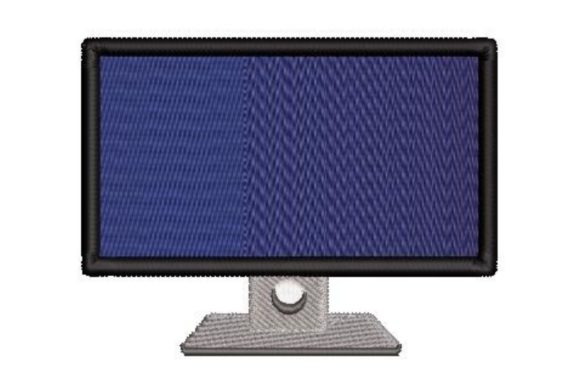
Computer Monitor Mockup
A Retro Touch That Actually Sells at Craft Fairs
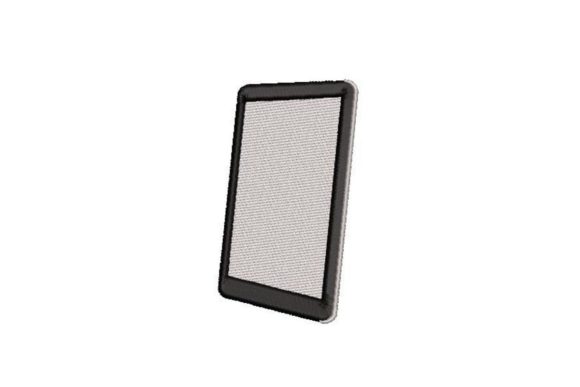
As an embroidery designer who’s set up 47 craft fair booths over the past decade—and watched which designs fly off the table versus which ones linger in the bin—I’ll say this upfront: Computer Monitor Mockup lands with quiet confidence. It’s not loud, not cutesy, not overly nostalgic—it’s thoughtfully retro. That subtle balance is exactly why it works so well for handmade markets. Customers don’t just see a monitor; they recognize a vibe—clean, clever, and quietly confident. It reads as “IT professional who also bakes sourdough” or “teacher who codes on weekends.” That duality makes it instantly relatable across age groups and booth demographics.
Where Computer Monitor Mockup Shines On Real Products
This machine embroidery design thrives where personality meets practicality. On a heavyweight canvas tote bag? Perfect—scaled to 3.5–4 inches wide, it sits cleanly near the bottom corner or centered on the front panel without overwhelming the fabric. As apron embroidery? Ideal for the chest pocket or upper left bib—it adds wit without competing with food stains or flour dust. For tea towel embroidery? Use it small (2.25”) above a hemline or border; the clean lines hold up beautifully against textured cotton weaves, especially when stitched with matte poly thread.
As an embroidered patch? A standout. The classic CRT shape translates crisply into a sew-on or iron-on format—great for laptop sleeves, denim jackets, or backpack accents. On caps? Stick to structured, medium-crown styles with smooth front panels—avoid curved bill seams or heavy twill textures unless you’ve tested stabilizer layers first. For fabric pouches and pillow covers? It scales elegantly both up and down, making it versatile for gift sets (e.g., matching mousepad + pouch + tea towel). And yes—it absolutely belongs in your Back To School lineup: think teacher tote bags, student laptop sleeves, or librarian aprons with a wink of tech charm.
What Makes This Design Booth-Ready (and Etsy-Listings-Ready)
Computer Monitor Mockup succeeds because it’s instantly legible at 6 feet. No squinting, no decoding—it reads as “monitor” before “embroidery.” That’s gold for craft fairs, where attention spans are measured in seconds. It photographs exceptionally well for online listings too: clean edges, balanced negative space, and strong contrast potential between screen and bezel make it pop on white or heather gray backgrounds. As a digital embroidery file, it’s inherently repeatable—ideal for batch production of small shop products. You can run 20 identical patches or 15 tote bags in one afternoon without redesign fatigue.
Careful-Use Notes Every Embroiderer Should Know
- Dense stitch areas: The screen interior may pack tight satin or fill stitches—check for puckering on lightweight cotton or knits. Always test on scrap fabric with your intended stabilizer.
- Tiny details: If the design includes subtle grill lines or brand logos, confirm visibility at under 2.5” width—those can blur on textured towels or dark fabric.
- Small lettering: Avoid shrinking any on-screen text below 0.15” height. Legibility collapses fast on curved cap surfaces or thick terry cloth.
- Fabric texture matters: On highly napped or looped tea towels, opt for slightly larger sizing and reduce stitch density if your embroidery software allows.
- Dark fabric warning: Light-colored thread on black or navy requires extra top-stitch passes or underlay—don’t assume default settings will deliver crisp contrast.
How It Elevates Your Handmade Product Line
This isn’t just another embroidery file—it’s a brand amplifier. When placed consistently across tote bags, patches, and pillow covers, Computer Monitor Mockup builds visual cohesion for your booth or Etsy shop. It signals craftsmanship (clean lines = precise digitizing) and intention (retro-modern = curated taste). Buyers subconsciously associate that consistency with quality—and that lifts perceived value. At craft fairs, it sparks conversation: “Oh! Is that a vintage monitor?” “Do you do custom logos inside the screen?” That engagement drives impulse buys and repeat visits.
Practical Designer Notes Before You Stitch
- Always test the design on scrap fabric matching your target product’s weight and weave.
- Verify thread contrast—especially for screen vs. bezel sections—under natural and booth lighting.
- Review spacing between elements; tight gaps may merge on low-tension machines or dense fabrics.
- Confirm hoop size compatibility—some versions may require 5x7” minimum, others fit 4x4” comfortably.
- Inspect stitch density in the screen area—if it exceeds 18,000 stitches per square inch, consider lightening fill or adding air cuts.
- Choose stabilizer wisely: cutaway for knits and caps, tear-away for stable wovens like tea towels and totes.
- Create at least one real mockup—not just a printable mockup—to assess drape, scale, and tactile impact.
- Compare how the design reads across multiple fabric colors: oatmeal, charcoal, navy, and cream all change perception.
- Double-check commercial licensing terms before selling finished products—this is essential for Etsy sellers and wholesale partners.
Final Thought: Smart Simplicity Wins
In a market flooded with florals, quotes, and maximalist motifs, Computer Monitor Mockup stands out by doing less—and doing it with precision. It’s a rare embroidery file that feels both nostalgic and forward-looking, playful and professional. Whether you’re prepping for your next craft fair, refreshing your Etsy embroidery collection, or building a cohesive line of commercial embroidery products, this design earns its place—not as filler, but as a signature piece. It doesn’t shout. It invites. And in handmade markets, that’s how loyalty begins.