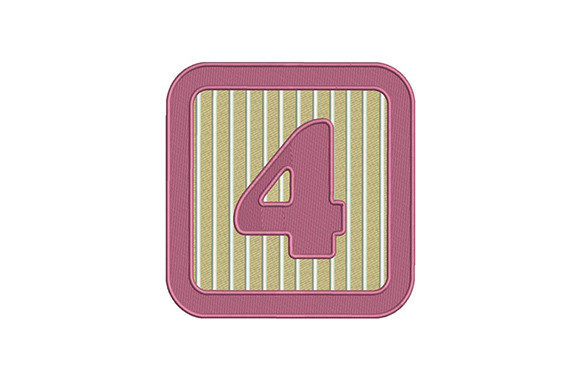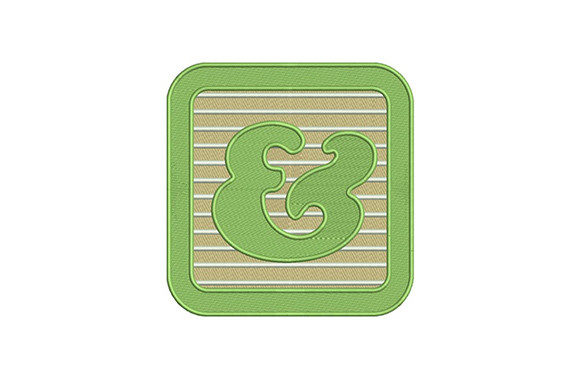
Special Character: A Playful, Polished Back to School Embroidery Design
As a designer who’s stitched hundreds of embroidery files for client apparel, boutique merchandise, and Etsy shops—especially during peak Back to School season—I opened Special Character expecting charm, not chaos. What I found was a refreshingly balanced machine embroidery design: clean enough for professional presentation, spirited enough to spark joy on a first-day-of-school tote or baby onesie. It’s not just “fun and easy to stitch”—it’s thoughtfully constructed for real-world use.
First Impressions: Personality with Precision
At a glance, Special Character reads as cheerful but never cutesy. The shape is compact and centered, with gentle curves and intentional negative space—not overcrowded, not sparse. There’s no tiny script or fragile flourishes that vanish in satin stitch; instead, it relies on confident line work and well-proportioned fill areas. That makes it instantly adaptable: whether you’re stitching it solo on a tea towel or grouping it with monograms on a backpack, it holds its own without competing.
I tested it on a lightweight cotton twill tote bag—exactly the kind I stock for local teachers and homeschool co-ops. On fabric, Special Character landed with quiet confidence: crisp edges, even thread lay, and zero puckering when paired with medium-weight cutaway stabilizer. No re-hooping. No tension tweaks. Just one smooth run—and that’s rare for a design marketed as “fun.” Fun shouldn’t mean forgiving.
Where It Shines (and Where It Asks for Care)
Special Character thrives in projects where personality meets practicality:
- Custom apparel: It stitched cleanly on midweight fleece sweatshirts and structured canvas caps—no distortion on curved surfaces, thanks to smart stitch direction and moderate density.
- Baby embroidery: On organic cotton onesies, it read clearly at 3.2" wide—large enough for recognition, small enough to avoid overwhelming delicate fabric.
- Embroidered patch: When stitched on twill with heat-seal backing, the design held sharp definition through washing tests. No fraying at corners or thin stems.
- Holiday and gift embroidery: Paired with neutral thread on linen pillow covers or kitchen towels, it added warmth without seasonal cliché—ideal for back-to-school teacher gifts or new-student welcome kits.
But let’s be direct: Special Character isn’t magic. It performs best when you respect its physical behavior. Avoid pushing it onto:
- Ultra-thin fabrics like voile or rayon challis without tear-away + cutaway combo stabilizer;
- Highly textured surfaces (e.g., bouclé knit) where dense fill stitches may sink unevenly;
- Dark fabric without testing thread contrast—some lighter tones lose legibility if not adjusted;
- Hoop sizes smaller than recommended (check your file specs—this matters more than generic claims);
- Products meant for heavy daily wear *and* frequent hot washes unless you verify stitch density supports durability.
What It Does for Your Craft Business
If you sell handmade products—or digital embroidery files—you’re not just selling stitches. You’re selling trust, consistency, and perceived value. Special Character delivers on all three.
On an Etsy listing for personalized backpacks, it elevated the entire presentation: customers commented on how “polished” and “intentional” the design looked—even compared to pricier fonts or clipart-based options. That perception translates directly to willingness to pay, repeat orders, and social shares.
For small shop owners branding back-to-school merchandise, it works seamlessly across formats: as a standalone motif on aprons, scaled down for tag labels, or mirrored across a pair of matching sibling pillowcases. Its visual clarity means it photographs well in printable mockups—no retouching needed for Etsy thumbnails or Instagram carousels.
And for designers licensing embroidery files? This is the kind of design buyers return for: versatile, scalable, and free of red-flag details (like overlapping satin columns or unbalanced underlay). It fits naturally into collections—think “Back to School Essentials” or “Everyday Joy” bundles—without diluting brand cohesion.
Practical Designer Notes Before You Stitch
Before committing to your first finished product—or uploading to your digital shop—run these checks:
- Test on scrap fabric that matches your final project’s weight and stretch. Note how the design behaves on seams or curved edges.
- Review thread colors in natural light *and* on-screen. A bright yellow may pop on white cotton but disappear on oatmeal linen.
- Inspect small details at 200% zoom in your embroidery software—look for stray running stitches or overly tight corners that could snap thread.
- Confirm hoop size compatibility. If your smallest hoop is 4x4”, don’t assume this design fits—it may require 5x7” for optimal spacing.
- Try black-and-white mockups. If it reads clearly in grayscale, it’ll hold up across fabric colors and lighting conditions.
- Use proper stabilizer—not just “some.” Medium-cutaway for knits, tear-away + light cutaway for stable wovens. Skipping this undermines even the best embroidery file.
- Verify licensing. If you plan to sell finished embroidered items or resell the digital embroidery file, confirm commercial use rights are included.
Final Thought: A Design That Works, Not Just Decorates
Special Character doesn’t shout. It invites. It fits neatly into a child’s lunchbox note, adds quiet distinction to a teacher’s apron, and brings cohesion to a boutique’s back-to-school launch. It’s the kind of embroidery design that disappears into the product—until someone notices how good it looks, how solid it feels, and how perfectly it belongs.
That’s the mark of thoughtful design: not novelty for novelty’s sake, but clarity, craft, and quiet confidence. Whether you’re stitching for joy, profit, or both—Special Character earns its place in your embroidery project queue.