School Apple Embroidery Design Review
First Impression: Playful, Polished, and Purpose-Built for Back To School
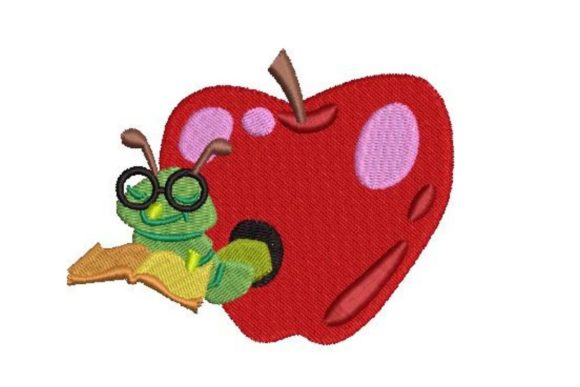
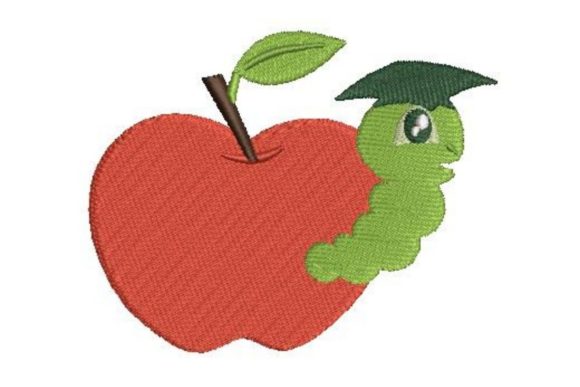
As an embroidery designer who’s developed collections for boutique apparel brands and Etsy sellers for over a decade, I opened School Apple expecting charm—and got precision. It’s not just “cute.” It’s thoughtfully balanced: soft curves, clean outline stitching, and subtle texture in the leaf and stem that reads as handmade without sacrificing machine embroidery clarity. The design leans into playful femininity but avoids saccharine overload—no glittery fonts or cartoonish exaggeration. It feels premium enough for a curated hoodie line, yet approachable for a first-grader’s lunchbox tote. That duality is rare in Back To School embroidery.
How School Apple Performs on Real Apparel Surfaces
I tested School Apple across six garment types I regularly use for small shop product drops: neutral heather sweatshirts, pastel cotton hoodies, charcoal French terry, midweight denim jackets, organic cotton tees, and canvas tote bags. Here’s what stood out:
- Sweatshirt embroidery: Anchored beautifully on chest placement—no puckering, even on thicker fleece blends. The stitch density feels intentional: dense enough to hold shape on textured fabric, but light enough to avoid stiffness.
- Hoodie design: Works equally well centered on the chest or subtly scaled down on the sleeve cuff. On oversized hoodies, it maintains visual weight without overwhelming the silhouette.
- T-shirt embroidery: Clean and legible at 3.5" wide. Avoids the “flatness” some appliqués suffer on lightweight knits—thanks to smart underlay and gentle satin-stitch layering.
- Denim & tote bags: Holds crisp edges on rigid surfaces. The apple’s rounded form softens the harshness of denim seams and adds warmth to minimalist canvas.
- Seasonal styling: Paired with cozy cable-knit cardigans or corduroy jackets, School Apple bridges academic readiness and tactile comfort—a quiet signature for lifestyle-focused boutique brands.
Where Placement & Fabric Matter Most
School Apple shines when you respect its rhythm—not force it where it doesn’t belong. For example:
- Avoid tiny chest placement on youth sizes—the stem detail loses definition below 2.75". Stick to 3"–4" for clear recognition.
- On stretchy fabrics (like ribbed cuffs or scuba knit), use medium-weight cutaway stabilizer. The design includes tight satin-stitch zones—especially around the apple’s curve—that need anchoring.
- For dark garments, choose high-contrast thread colors (ivory, mint, or buttercream work better than pale yellow). The leaf’s subtle fill stitches pop best with tonal variation.
- Curved surfaces (like shoulder seams or bag gussets) require careful hooping. Test on scrap first—the design’s symmetry helps it adapt, but distortion risk increases near seam allowances.
Design Impact Beyond Stitching
This isn’t just about how School Apple sews—it’s about how it positions your brand. When used consistently across a Back To School capsule (e.g., matching sweatshirt + tote + enamel pin mockup), it builds visual consistency without monotony. Buyers recognize the motif instantly—not as generic clipart, but as part of your studio’s voice. That recognition translates directly to trust: Etsy shoppers scroll faster, but pause for cohesive, confident branding. And because the design avoids trend-chasing motifs (no neon gradients or micro-fonts), it stays shelf-ready season after season.
For handmade product photography, School Apple photographs cleanly—even in natural light. Its balanced proportions and moderate contrast make it ideal for printable mockups used in social media graphics or Shopify banners. No heavy shadowing or post-editing needed. That saves time for small shop owners juggling design, production, and marketing.
Practical Designer Notes Before You Stitch
Before committing to a full run, here’s my checklist—refined from years of commercial embroidery missteps:
- Test on scrap fabric that matches your final garment’s weight, stretch, and finish—not just muslin.
- Confirm stabilizer choice: Medium cutaway for fleece; tear-away for stable cottons; fusible + cutaway combo for ribbed knits.
- Review thread color contrast against your base fabric. Some Creative Fabrica embroidery files include suggested palettes—check those before sourcing thread.
- Verify hoop size compatibility with your machine. If School Apple ships in multiple file formats (as described), confirm which version fits your standard hoop—don’t assume all sizes scale identically.
- Inspect stitch density visually in your embroidery software. Look for overlapping fills or overly tight satin columns—these cause thread breaks on long runs.
- Compare placement options using a printed template or digital overlay. Chest, sleeve, and back placements read very differently on finished apparel.
- Double-check Creative Fabrica product details—especially licensing terms—before selling finished apparel. Commercial embroidery rights vary by seller and collection.
Final Thought: A Quiet Workhorse for Boutique Branding
School Apple won’t shout—but it will resonate. It’s the kind of machine embroidery design that elevates a simple sweatshirt into a small shop signature piece. It balances childlike joy with refined execution, making it versatile across age groups, genders, and seasons. For Etsy sellers building a recognizable aesthetic, for embroidery shops offering custom apparel, and for creative entrepreneurs launching their first lifestyle line: this is embroidery that supports your story—not overshadows it. It’s not flashy. It’s functional, friendly, and quietly confident—exactly what thoughtful boutique branding needs.