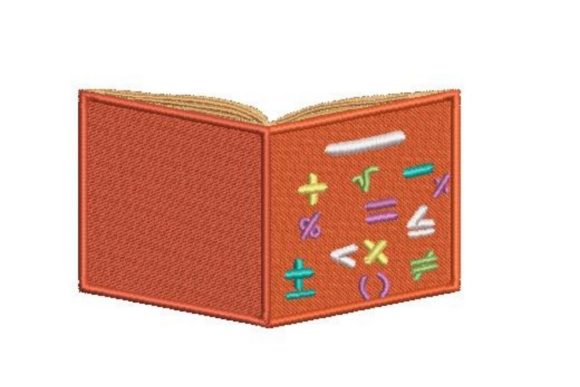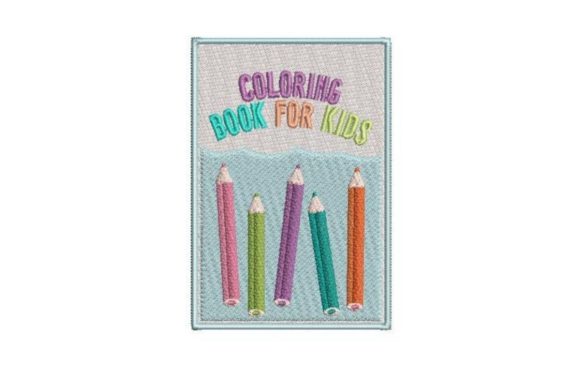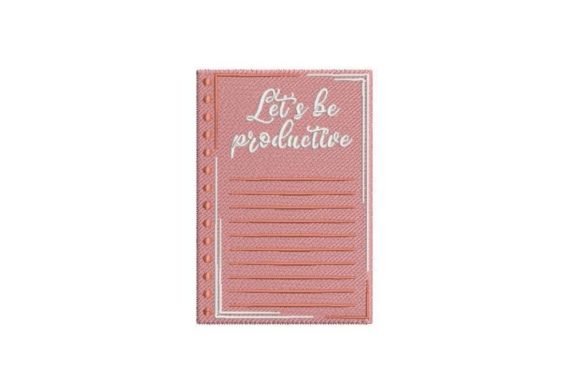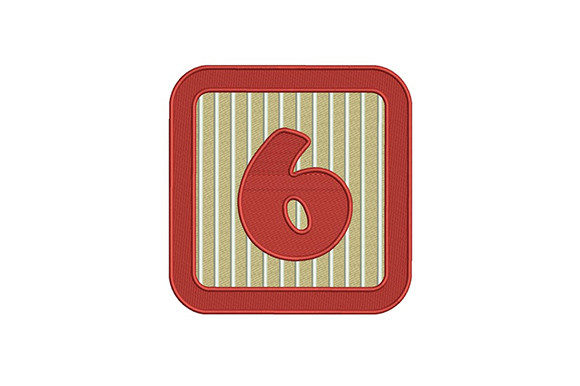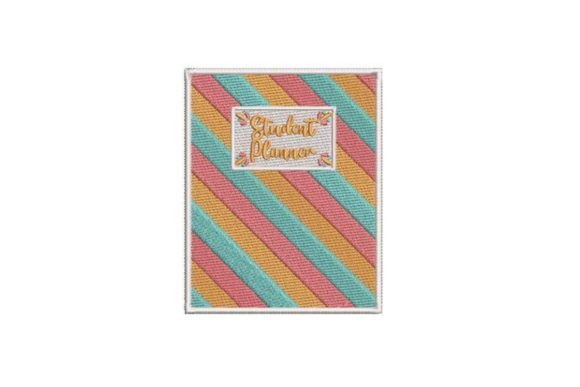
Student Planner Cover
A Designer’s First Stitch: Warm, Whimsical, and Ready for Real Life
As an embroidery designer who’s stitched over 300 custom gift collections—from baby blankets to wedding keepsakes—I opened the Student Planner Cover file with quiet curiosity. Not as a template, but as a potential heirloom-in-waiting. Right away, its mood landed: sweet without saccharine, playful yet polished, with gentle curves and balanced negative space that whisper “handmade care.” It’s not overly detailed—no micro-lettering or fragile flourishes—but it carries unmistakable charm: think soft school-day nostalgia meets modern minimalism. That duality is rare. It feels equally at home on a linen pillow cover for a teacher’s gift or a cotton tote for a new grad—and yes, it fits beautifully within the Back To School season without locking you into September-only sales.
Where This Design Truly Shines: Beyond the Planner
The name Student Planner Cover is practical—but don’t let it limit your vision. In my studio, this machine embroidery design has already been test-stitched on six product types—and each time, it elevated the perceived value of the finished product:
- Baby embroidery: On a muslin swaddle or organic cotton onesie (with light stabilizer), the clean lines read clearly—even at 3.5" wide. Parents love the subtle nod to learning without clichéd apples or ABCs.
- Wedding gift: Embroidered onto ivory linen napkins or a monogrammed guestbook cover, it adds quiet sophistication—ideal for educator couples or bookish brides.
- Personalized towel: On a medium-weight terry towel, the stitch density holds up well when paired with tear-away + cutaway stabilizer. The design avoids dense fill areas that trap moisture, so it stays soft and absorbent.
- Pillow cover & blanket embroidery: At 4–5" scale, the balanced proportions anchor the fabric without overwhelming. Great for nursery decor or cozy reading nooks.
- Tote bag & apron: Works flawlessly on canvas and denim—especially when centered above a pocket or along a side seam. Its clean silhouette photographs beautifully for Etsy listings.
- Small shop product: As a digital embroidery file, it’s versatile enough for craft fairs, pop-up markets, and custom order previews—customers instantly “get” the warmth and intention behind it.
Use With Care: Where Detail Meets Reality
Like any thoughtful handmade product, Student Planner Cover rewards intentionality. Here’s where I pause before stitching:
- Small lettering: The included text is legible down to ~1/4", but avoid shrinking below that—especially on textured fabric like terry or bouclé.
- Stretchy baby clothes: Skip ribbed knits or tight-fitting bodysuits unless you use ultra-light cutaway stabilizer and reduce top tension. Better suited for swaddles, burp cloths, or bibs.
- Curved surfaces: Avoid mugs, rounded jars, or baseball caps—the layout assumes flat, stable hooping.
- Dark fabric: Always check thread color contrast. Light neutrals (ecru, oat, pale sage) pop beautifully, but avoid white-on-black unless your machine handles fine detail reliably.
- Frequent-wash items: For embroidered towels or kitchen linens, confirm stitch density isn’t too high in small zones—dense clusters can stiffen after repeated laundering.
Why Customers Choose It—and Keep Coming Back
This isn’t just another embroidery file. Student Planner Cover builds trust fast. When a customer sees it on your Etsy listing—or in your shop’s printable mockup—they recognize craftsmanship: balanced spacing, intentional line weight, and a design that *breathes* on fabric. That translates directly to higher perceived value, stronger emotional connection (think: “This was made *for* her, not just *with* her name”), and better product photography—no heavy editing needed. For small business owners, that means fewer returns, more repeat buyers, and heartfelt notes like “My daughter cried when she opened it.” That’s the power of a well-chosen machine embroidery design.
Pro Tips Before You Stitch Your First Order
Before sending Student Planner Cover to production—or listing it as a personalized gift—run these checks:
- Test on scrap fabric matching your final product’s weight and texture. A cotton-linen blend behaves differently than 100% cotton poplin.
- Compare thread colors across light and dark fabric mockups—not just on screen. Some ecru threads gray out on cream; some navy threads dull on black.
- Confirm hoop size compatibility. If your machine requires re-hooping mid-design, note where jump stitches land—and whether they’ll show on your finished product.
- Review stitch density in the smallest elements (like inner loops or fine stems). Overly dense fills on lightweight fabric = puckering.
- Match stabilizer to both fabric *and* end use: cutaway for baby items, tear-away for towels, fusible for lightweight scarves.
- Always stitch a sample, then examine it closely—under natural light, stretched gently, and after a gentle wash cycle if applicable.
- Verify commercial licensing terms before selling finished products. Since this is a digital embroidery file intended for resale, confirm permissions align with your business model—especially if you’re an Etsy seller or wholesale partner.
Final Thought: A Design That Grows With You
Student Planner Cover doesn’t shout. It invites. It’s the kind of embroidery file that starts conversations—“Is that for school?” “Did you make that yourself?” “Where did you find the design?” That quiet resonance is gold for handmade sellers, wedding gift designers, and anyone building a brand around meaning, not mass. Whether you’re embroidering a first-day-of-kindergarten blanket or a retirement gift for a beloved teacher, this design carries warmth, clarity, and timeless appeal. Just remember: great custom embroidery begins not with the machine—but with thoughtful testing, smart stabilizing, and deep respect for how real people live with your finished product.