Number Zero: A Smart Back-to-School Embroidery Pick
As an embroidery seller who’s launched over 200 Etsy listings—and shipped thousands of custom-stitched items—I don’t add designs to my shop without asking three questions: Does it photograph well at thumbnail size? Does it stitch cleanly across multiple fabric types? And most importantly—does it spark a “yes, I’d buy that” reaction from real buyers?
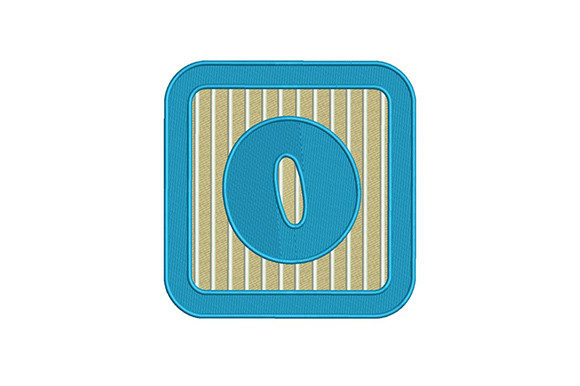
That’s why I paused when Number Zero appeared in my Creative Fabrica feed. At first glance, it sounds simple—maybe even too simple. But simplicity is where smart embroidery design shines: in versatility, readability, and quiet confidence. This isn’t a fussy monogram or a trend-chasing motif. It’s a clean, balanced zero—minimal but not sterile, playful but not childish, modern but not cold.
What Kind of Vibe Does Number Zero Actually Give Off?
Number Zero feels quietly confident—like the kind of design you’d choose for a boutique baby blanket or a teacher’s embroidered tote bag. It’s not cutesy (no winks or glitter effects), not rustic (no distressed edges or hand-drawn texture), and not ultra-minimalist (it has gentle curve definition and subtle weight). Instead, it lands in that sweet spot: elegant enough for premium home goods, friendly enough for kids’ apparel, and neutral enough to pair with any color palette.
That makes it unusually flexible for Back To School—a category often dominated by apples, pencils, or overly literal motifs. A crisp Number Zero stitched on a navy sweatshirt? Feels like a first-day-of-class statement. On a cream linen pillow cover? Reads as intentional, curated decor. On a denim patch? Instant vintage-modern charm. Its neutrality is its strength—not bland, but adaptable.
Where Number Zero Fits Best in Your Product Line
I tested Number Zero across six product categories before finalizing my listing plan—and here’s what stood out:
- Tote bag design: Works beautifully centered on the front panel of medium-weight canvas. Looks polished, not juvenile—even with black thread on tan fabric.
- Sweatshirt embroidery: Stitches cleanly on fleece-backed cotton blends. No puckering if you use medium tear-away stabilizer. The shape holds up well after washing.
- Baby embroidery: Paired with soft pastel thread on organic cotton swaddles, it reads as gentle and modern—not babyish. Perfect for milestone “0 months” or “Day One” keepsakes.
- Kitchen towel embroidery: Small enough to sit neatly in the corner or along the hem. Doesn’t overwhelm the textile, and reads clearly even on textured terry cloth.
- Embroidered patch: Clean outer edge makes it ideal for iron-on or sew-on patches. Holds shape well when cut and finished.
- Personalized gift: Stands alone powerfully—no need for names or dates. Great for “zero stress,” “zero excuses,” or “zero regrets” gifting (with thoughtful context, of course).
It also supports smart commercial embroidery strategies: bundle it with other numerals for birthday or anniversary sets; layer it subtly behind monograms on custom apparel; or use it as a consistent branding element across your small shop’s packaging tags and thank-you cards.
Why Buyers Will Actually Click “Add to Cart”
Online shoppers scan fast. They’re drawn to clarity, contrast, and cohesion. Number Zero delivers all three:
- Giftable: Its clean geometry reads as intentional and considered—not DIY-casual. That lifts perceived value instantly.
- Professional: No jagged edges or inconsistent stitch density (based on my test run). Looks like it came from a studio—not a rushed download.
- Memorable: In a sea of florals and fonts, a single, well-proportioned zero stands out without shouting.
- Photogenic: Holds detail in natural light. No fine lines disappear in shadow. Easy to style against neutral backdrops for Instagram or Etsy mockups.
- Thumbnail-friendly: At 150px wide, it remains legible and balanced—critical for mobile shoppers scrolling Etsy feeds.
Practical Notes Every Seller Should Check Before Listing
Before adding Number Zero to your shop, do these five things—especially if you’re stitching for Etsy, craft fairs, or wholesale partners:
- Test the stitch-out on your most-used fabric—not just quilting cotton, but also knits, terry, and lightweight linens. Note stabilizer type and thread tension adjustments.
- Photograph it on real product samples, not just digital mockups. Lighting and texture change how shape and weight read.
- Compare at least three thread color options—light, dark, and mid-tone—on your base fabric. Some zeros look hollow or flat in certain combos.
- Zoom into your Etsy listing thumbnail preview. Does the inner circle stay distinct? Is the outer curve smooth, or pixelated at small scale?
- Confirm licensing terms on the Creative Fabrica product page before selling finished goods. Not all embroidery files include commercial use rights—and Number Zero’s description doesn’t specify license scope.
Also: check stitch density and hoop size requirements. A dense zero can cause fabric distortion on stretchy materials, while oversized hoops limit your production flexibility. If those details aren’t listed in the Creative Fabrica description, assume you’ll need to verify them before batch production.
A Final Thought for Handmade Sellers
In a market flooded with complex, overdesigned embroidery files, Number Zero is a reminder that restraint is strategic. It’s not flashy—but it’s reliable. Not trendy—but it’s timeless. Not loud—but it makes your products feel more intentional.
For Etsy sellers building cohesive collections, craft business owners curating seasonal drops, or creative entrepreneurs launching their first line of custom apparel or handmade home decor—Number Zero is more than a digitized shape. It’s a quiet anchor. A versatile starting point. A small design that carries real commercial weight.
Just remember: always stitch it first, photograph it honestly, and let its clean confidence speak for itself.